Successful candidates consistently emphasised the importance of building basics before worrying about advanced preparation.
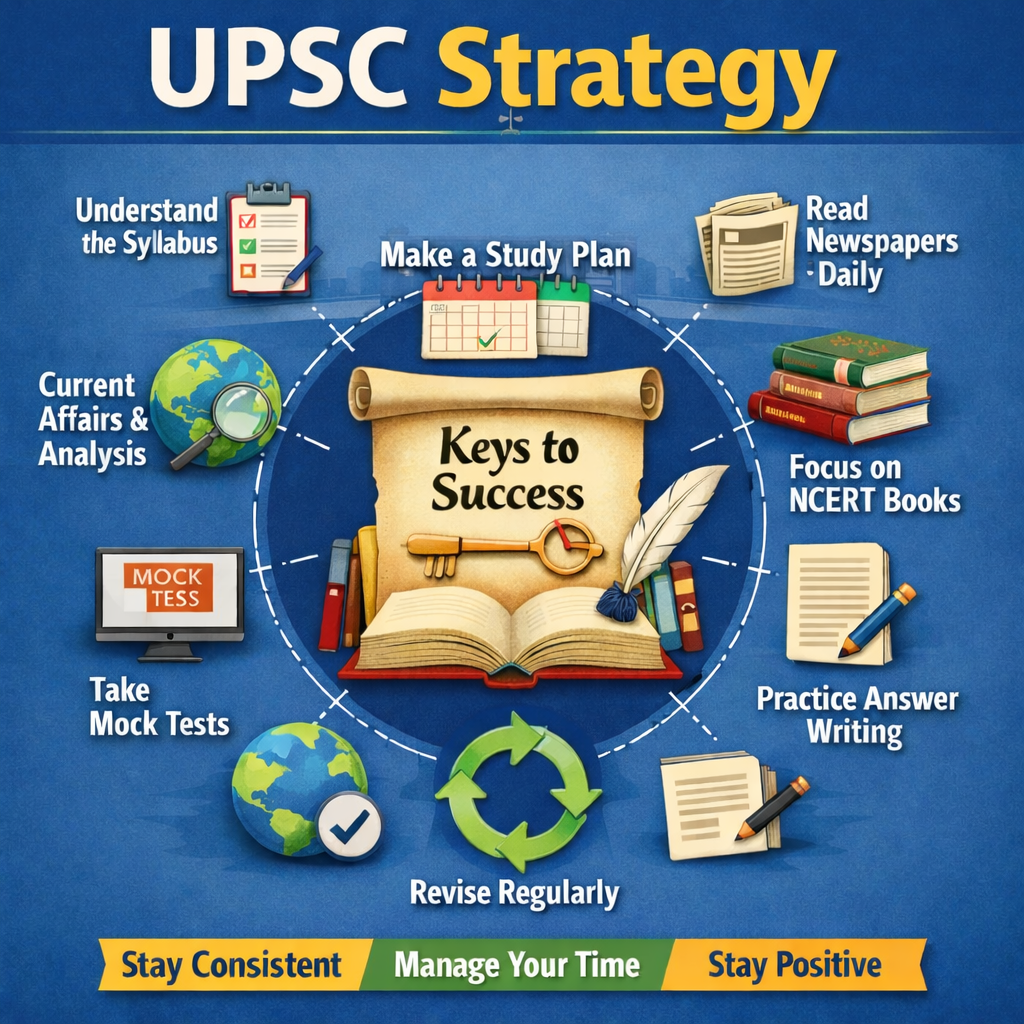
The typical pattern: spend the first 4-6 months on NCERTs, standard textbooks, and understanding the exam pattern. No mock tests. Minimal current affairs. Just solid conceptual grounding.
“I see aspirants taking full-length mocks in their second month,” one AIR-holder observed. “That’s like running a marathon before learning to walk. You’ll just get demoralised.”
For UPSC 2026, this means: if you’re starting now (early 2026), focus on foundations until mid-year. Mock tests and intensive revision come later.
Here’s where most candidates wished they’d done things differently. Answer writing—the actual skill the exam tests—is often neglected until months before Mains.
Among the 202 selections, those who started answer writing practice within their first three months consistently reported better Mains performance.
The reason is simple: knowing content and presenting content are different skills. You can memorise an entire textbook and still score poorly if you can’t structure a 250-word answer under time pressure.
Practical application:
Start writing at least 2-3 answers daily from month three onwards. Get them evaluated. Focus on structure before content.
The candidates who struggled most with current affairs were those who tried to “catch up” in the final months. Those who succeeded treated it as a daily habit.
The winning formula that emerged:
No more than 90 minutes daily on current affairs. The goal isn’t comprehensive coverage—it’s retention and application.
Optional subjects can swing Mains scores by 50-100 marks. Yet many aspirants choose based on hearsay rather than personal fit.
The 202 selections included diverse optionals: Public Administration, Sociology, Geography, Anthropology, History, and various literature subjects. No single optional dominated.
What mattered was:
For UPSC 2026: choose your optional by April. Start preparation in parallel with GS, not sequentially.
This was perhaps the most underrated lesson. Among candidates who succeeded after multiple attempts, nearly all mentioned improved mental health management as a key factor.
The exam creates sustained pressure over 12-18 months. Candidates who treated breaks, exercise, and sleep as negotiable often burnt out before Mains.
“I failed my second attempt not because I knew less, but because I was exhausted,” one candidate shared. “Third time, I studied fewer hours but protected my sleep and exercise. My scores improved across the board.”
The instinct to consume more resources—more books, more videos, more test series—often backfires.
Top performers were notably selective. They chose fewer resources and revised them more thoroughly. One candidate mentioned using just 8 books for the entire General Studies preparation, but revising each at least 4 times.
“Every hour spent on a new resource is an hour not spent revising what you already have. Revision wins exams.”
Based on these 202 journeys, a realistic timeline:
| Phase | Duration | Focus |
|---|---|---|
| Foundation | Months 1-4 | NCERTs, basics, optional selection |
| Building | Months 5-8 | Standard texts, answer writing begins |
| Consolidation | Months 9-12 | Mock tests, revision, current affairs integration |
| Final Push | Months 13-15 | Intensive revision, test series, weak areas |
The exam rewards those who prepare systematically. Start now. Stay consistent. And remember—202 candidates proved it’s possible. You can be among the next cohort.